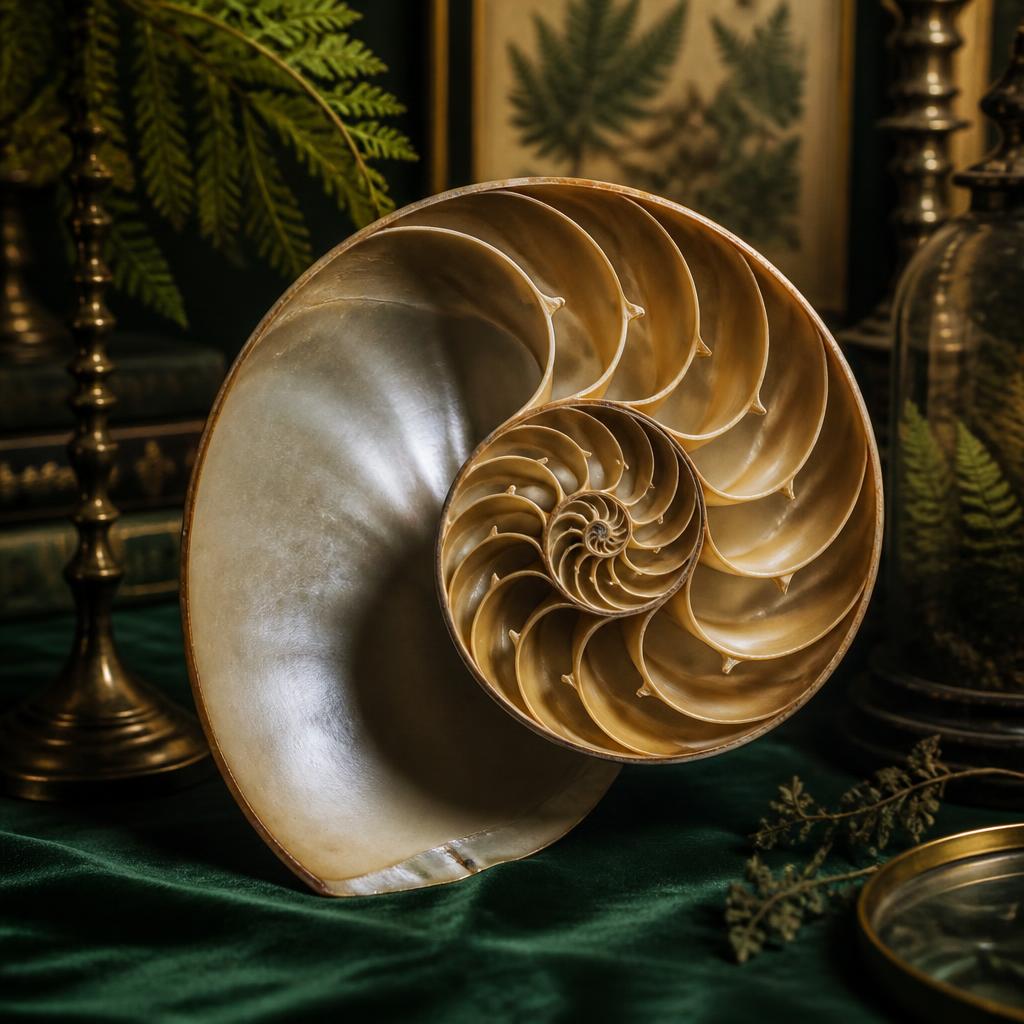
Why limits often produce the freest work.
The romantic model of creativity treats limits as enemies. Give the artist infinite time, infinite means, infinite freedom, and the work will flourish. Almost everyone who has tried this discovers it does not work.
The counter-model, older and better supported, treats constraints as the ground creative work grows out of. The sonnet's fourteen lines. The haiku's syllable count. The film's runtime. The improviser's key. What at first looks like restriction is more accurately understood as focus — a reduction of the possibility space to a size the mind can actually work within.
This is not merely a psychological observation. Cognitively, unbounded problems are computationally intractable. Constraints make problems solvable by making them small. They also, paradoxically, make solutions more distinctive: a solution to a highly constrained problem carries the shape of its constraints and is thereby more particular, more identifiable, than one produced in a formless field.
The practical application, for anyone stuck: do not seek more freedom. Seek better constraints.
The Aha Moment, Neurally
Right-hemisphere gamma bursts and sudden insight.
Microdosing and Creative Output
What the (small) evidence base actually says.
On Keeping a Commonplace Book
An old practice for a distracted age.
Sign in to join the conversation. Guests can read every reply.
Loading conversation…