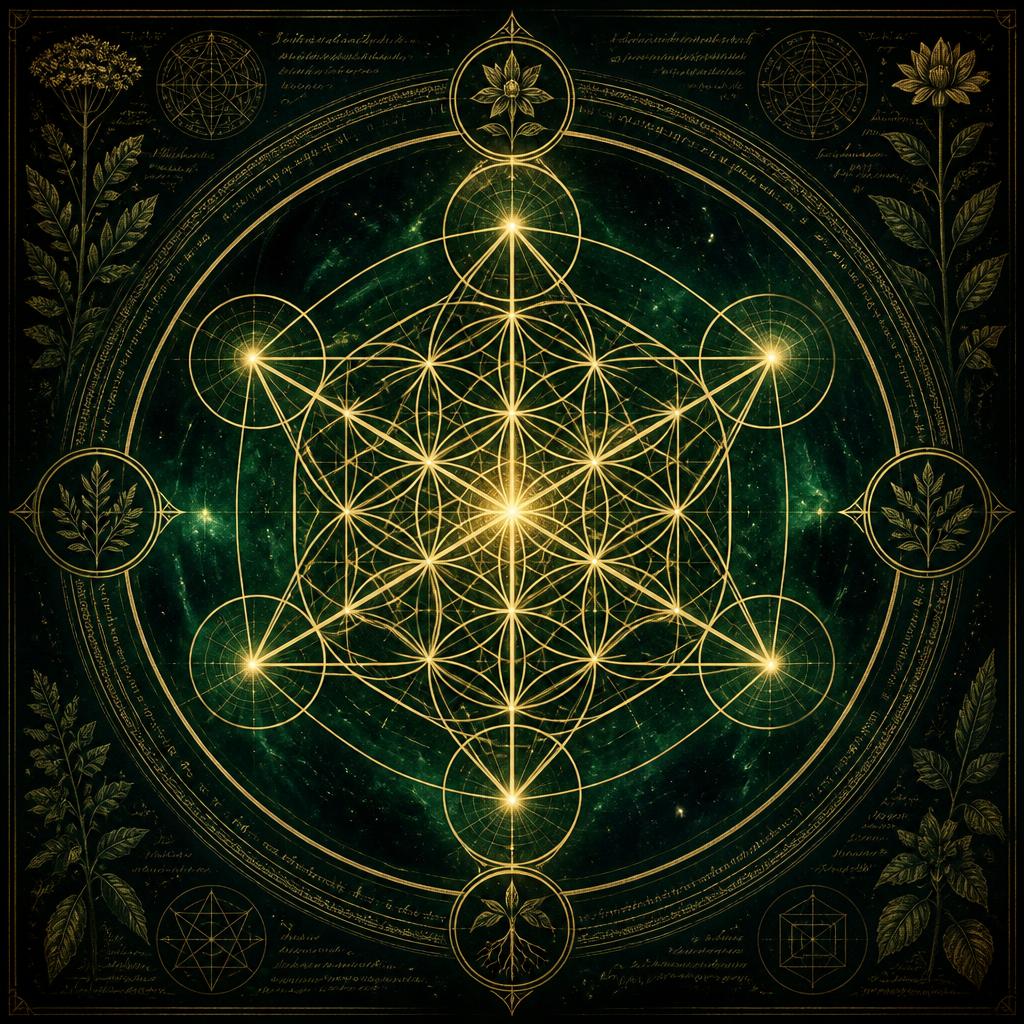
Ayahuasca in the Amazon: A Living Tradition
Icaros, dieta, and the ecology of the brew.
Ayahuasca is a decoction of two Amazonian plants: Banisteriopsis caapi, a vine containing MAO inhibitors, and Psychotria viridis (or another DMT-containing plant), whose active alkaloids become orally bioavailable in the presence of the first.
The pharmacological logic is elegant. The biochemical logic is elegant too. How the people who first prepared this brew, from tens of thousands of Amazonian plant species, found this specific combination is one of the standing mysteries of ethnobotany. Their answer — that the plants themselves teach — is not one Western pharmacology can easily accept, and is not one it should hasten to dismiss.
Traditional practice varies by lineage. Icaros — sung invocations — structure the ceremony. Dieta — periods of restricted food and social contact — prepare the participant. The role of the maestro or curandero is not that of a passive dispenser; it is closer to that of a navigator.
The global spread of ayahuasca has brought benefits and risks. Serious research on its therapeutic potential in depression and addiction is underway. So is a considerable amount of casual tourism that would puzzle any Amazonian elder. The tradition is old enough to have earned careful borrowing, not casual extraction.
DMTX: Extended-State DMT Trials
Continuous infusion opens a new observational window.
5-MeO-DMT and the Unitive State
Reports converge on a striking phenomenology.
Is Endogenous DMT Meaningful?
Trace amounts, big claims — sorting the signal.
Sign in to join the conversation. Guests can read every reply.
Loading conversation…