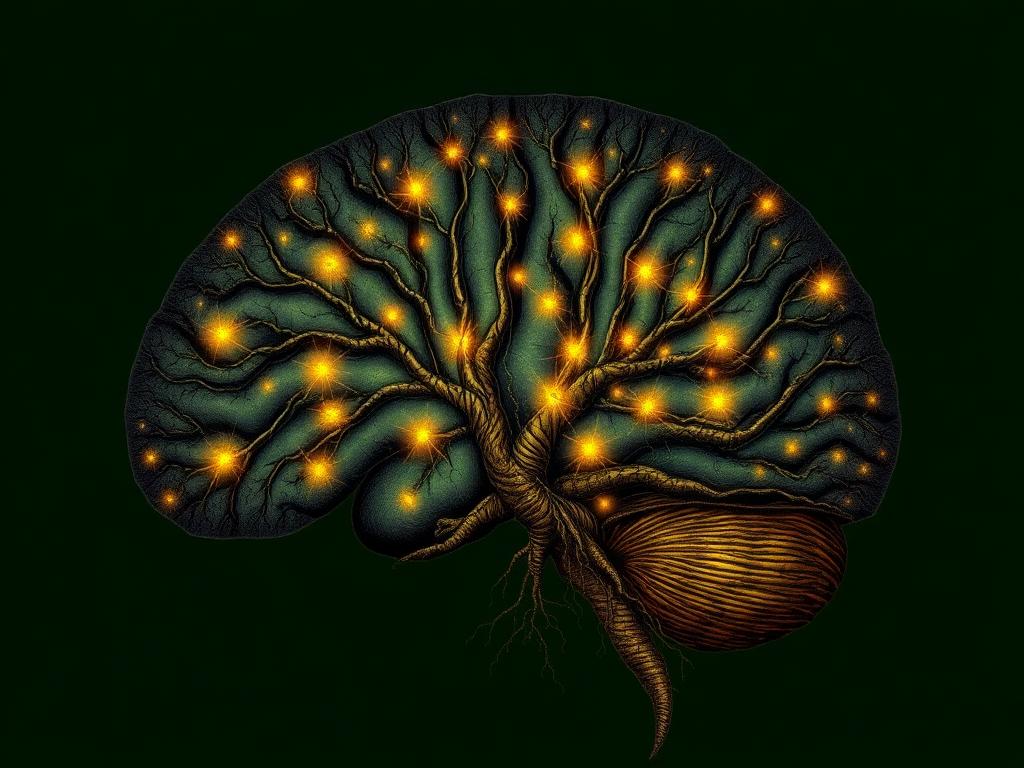
Group-minds as functional (if slippery) objects.
The term 'egregore' comes from Western esotericism and refers, roughly, to a group-mind or collective psychic entity generated by the sustained attention and intention of a group of people. In its original occult framing, egregores are treated as quasi-autonomous beings.
Set the metaphysics aside for a moment. The functional observation the term is trying to capture is real: sustained collective attention on a symbol, ideology or narrative produces effects that seem to exceed the sum of the individual attentions involved. Ideas take on lives of their own. Movements exhibit coordination no individual participant designed.
This can be described in secular vocabulary — memetic dynamics, network effects, coordination equilibria — without necessarily requiring any additional ontological commitments. Whether the secular vocabulary fully captures what the older vocabulary was pointing at is a question worth leaving open.
The concept is worth having, in whatever framing one prefers, because it names something that ordinary individualist vocabularies miss: that groups can generate stable, active, quasi-agent phenomena that shape the individuals within them as much as they are shaped by those individuals.
Teilhard's Noosphere, Read Today
A twentieth-century idea meeting a networked world.
The Global Consciousness Project
Twenty-plus years of RNG data — what to make of it.
Crowds, Rituals and Shared Emotion
Synchronized breathing, heart rate and collective effervescence.
Sign in to join the conversation. Guests can read every reply.
Loading conversation…