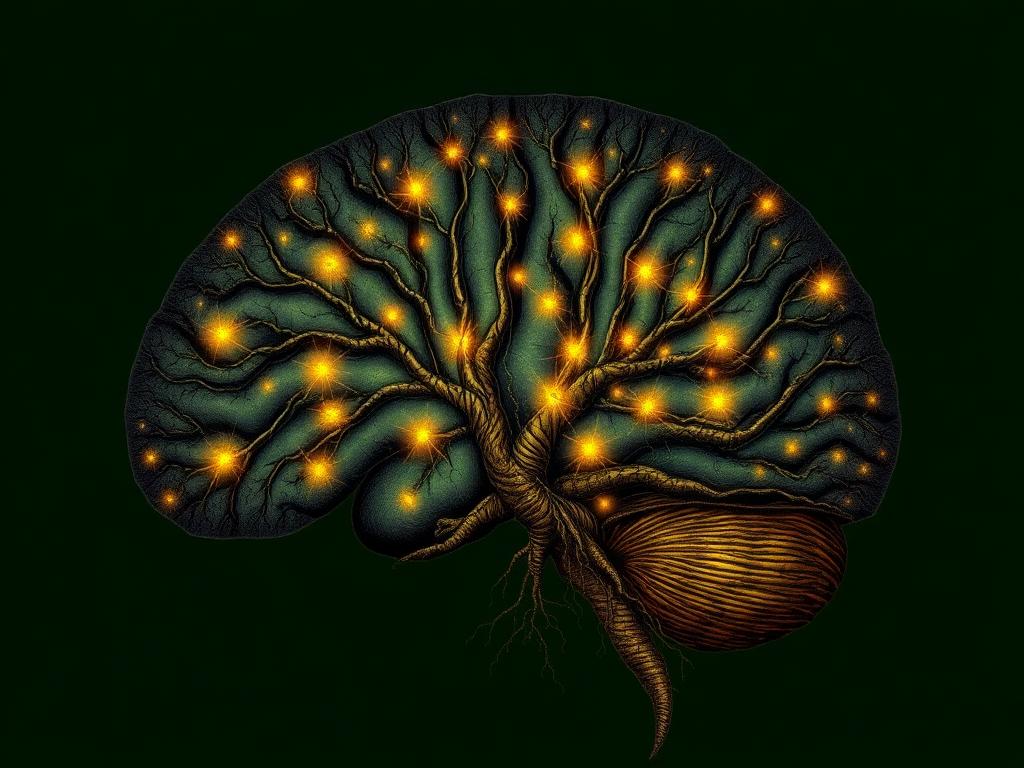
The body's report to the brain, and how it shapes mood.
The vagus nerve is the longest of the cranial nerves and does far more of its work as a sensor than as an effector. Roughly eighty percent of its fibers carry information from the body to the brain, not the other way around. It is the primary anatomical route by which the body reports to the mind.
Interoception — the sense of the body's internal state — has become one of the busier research areas in affective neuroscience. Depression, anxiety and chronic pain all appear to involve disruptions of the loop by which the brain interprets its own body's signals. The vagus is deeply implicated.
This has clinical consequences. Vagus nerve stimulation is an approved treatment for treatment-resistant depression and epilepsy. Slow breathing, cold exposure and certain contemplative practices appear to modulate vagal tone in ways that correlate with improved mood regulation.
The 'polyvagal' framework popularized by Stephen Porges has become widely influential and is also controversial within academic neuroscience. Some of its specific anatomical claims are contested. Its broader observation — that different states of autonomic engagement produce recognizably different psychological states — is not.
Neuroplasticity Isn't Magic — It's Metabolism
How the brain rewires, and what actually accelerates the process.
Sleep, Glymphatics and Memory
Why the brain seems to clean itself at night.
Predictive Coding, In Plain Language
Perception as controlled hallucination — a working sketch.
Sign in to join the conversation. Guests can read every reply.
Loading conversation…