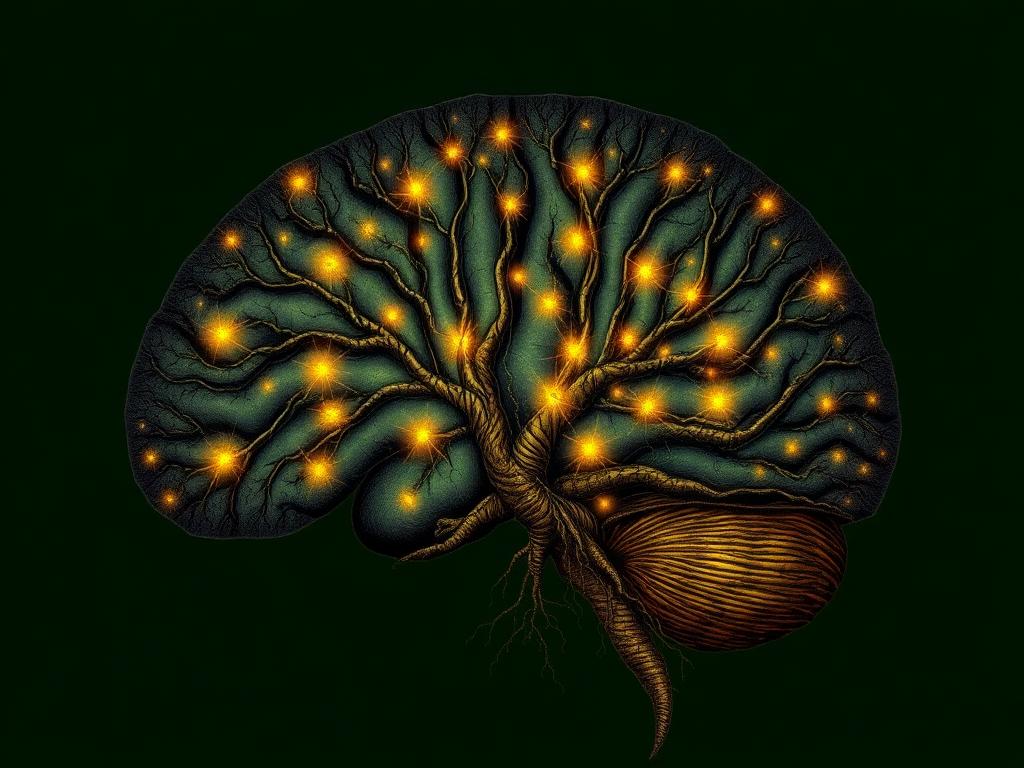
Broadcasting, competition, and access consciousness.
Global Workspace Theory, associated most closely with Bernard Baars and later Stanislas Dehaene, proposes that consciousness is a kind of mental broadcasting. Information becomes conscious when it is made globally available to multiple specialized brain systems — perceptual, memorial, executive, motor — via a shared workspace.
The evidence is largely experimental. Contrastive studies compare conditions where the same stimulus is consciously perceived versus not, and find a signature of ignition — a late, widespread cortical activation — associated with conscious access. The 'access' framing is deliberate; global workspace theorists tend to bracket the harder question of phenomenal experience.
The theory has proved productive. It fits well with clinical observations in disorders of consciousness, aligns with attention research, and offers a plausible functional role for consciousness that pure phenomenal accounts sometimes struggle to provide.
It does not solve the hard problem. Its defenders are usually explicit about this. It offers a functional architecture, not a metaphysical account. Whether the two can ever fully meet remains an open question.
The Hard Problem, Half a Century Later
Why explaining function still leaves experience unaccounted for.
Integrated Information Theory: A Primer
Phi, exclusion, and a math of consciousness.
Non-Dual Awareness Across Traditions
Advaita, Dzogchen, and the recognition of nature of mind.
Sign in to join the conversation. Guests can read every reply.
Loading conversation…