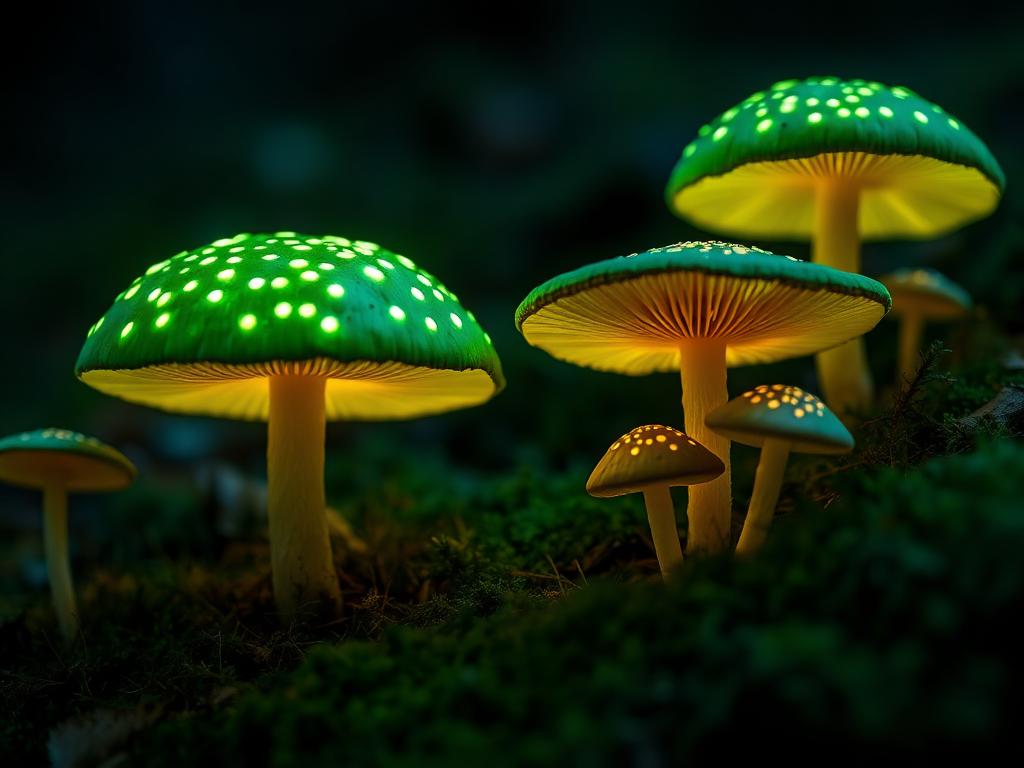
The red-capped mushroom's long, careful ritual life.
The red-and-white mushroom on children's storybooks has a long, careful ceremonial life among the peoples of Siberia — the Koryak, the Evenki, the Chukchi. Its use is not casual, and it is not for pleasure.
The shaman fasts, prepares, sometimes dries the mushroom or drinks the urine of one who has taken it — a practical detoxification that removes some of the more difficult compounds while preserving the psychoactive muscimol. The journey undertaken is diagnostic, or divinatory, or a bridging of the community with the other-than-human.
Western pharmacology tends to describe Amanita muscaria as unpredictable and mildly dangerous, and it can be both. Traditional use is neither reckless nor naive; it is a set of protocols refined over centuries. The mushroom is treated as a serious other, capable of teaching and of harming.
The tradition does not survive intact everywhere. Where it does, it is worth attention — not as folklore, but as one of humanity's oldest working relationships with a psychoactive fungus.
The Wood Wide Web, Twenty Years On
Mycorrhizal networks share carbon, warnings and — perhaps — something like conversation.
Lion's Mane and Nerve Growth Factor
A culinary mushroom drawing serious neuroscience attention.
Mycoremediation of Contaminated Soil
Fungi as quiet, patient decontamination engineers.
Sign in to join the conversation. Guests can read every reply.
Loading conversation…