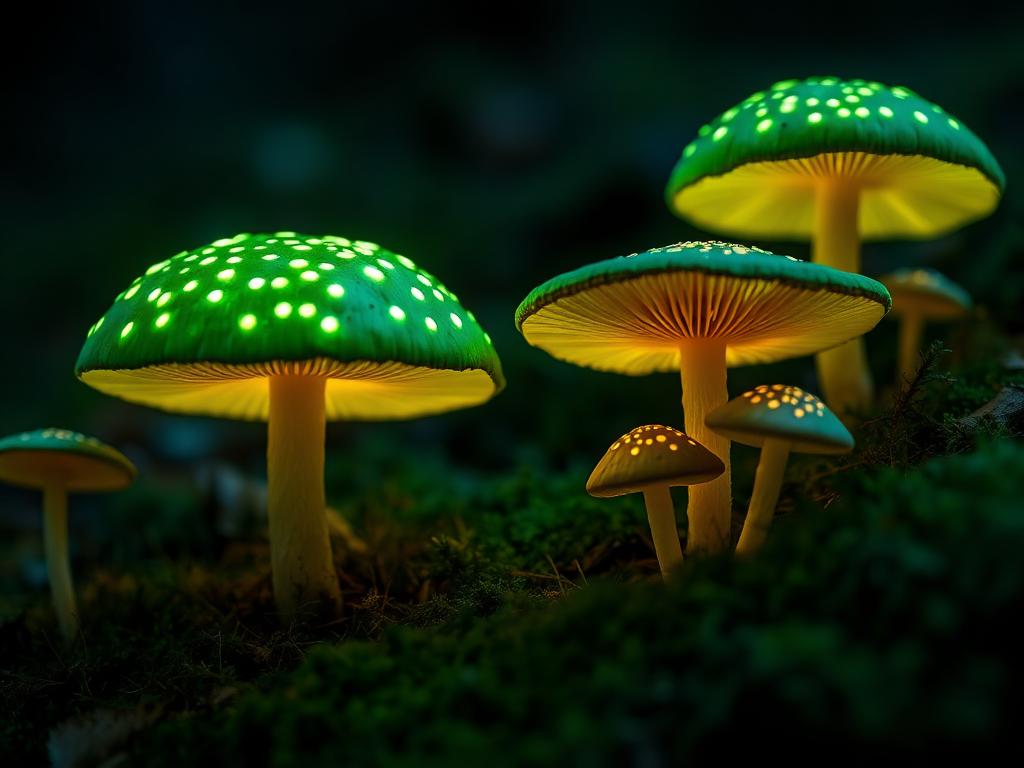
Fungi as quiet, patient decontamination engineers.
Fungi eat what almost nothing else will eat. Lignin, chitin, hydrocarbons, some plastics, certain pesticides — a wide portfolio of molecules that resist bacterial decomposition are, for the right fungus, lunch.
Mycoremediation is the practical use of this appetite. Diesel-contaminated soil inoculated with oyster mushrooms can lose the majority of its petroleum content in weeks. Certain white-rot fungi break down organochlorines that had been considered essentially permanent pollutants.
The technique is not a silver bullet. Field conditions differ wildly from lab conditions. Some contaminants are transformed into intermediates that must themselves be dealt with. And scaling mycoremediation to industrial sites requires infrastructure and patience that municipalities do not always have.
But it is quiet, biological, and often astonishingly effective. In a century that will need every remediation technology it can find, a solution that grows itself is worth taking seriously.
The Wood Wide Web, Twenty Years On
Mycorrhizal networks share carbon, warnings and — perhaps — something like conversation.
Lion's Mane and Nerve Growth Factor
A culinary mushroom drawing serious neuroscience attention.
Amanita muscaria in Siberian Shamanism
The red-capped mushroom's long, careful ritual life.
Sign in to join the conversation. Guests can read every reply.
Loading conversation…